Ultimate Blue-Collar Guide: How to Recruit for Hard-to-fill Positions

 14 min read



Introduction
Recruiting blue-collar workers is harder than ever. Tradespeople, drivers, and mechanics aren’t active on LinkedIn, don’t really have up-to-date CVs, and they aren’t really responding to vacancies as they know they have the luxury to choose where they want to work.
So, how to recruit for hard-to-fill positions like these? First of all, you need targeted campaigns, vacancies with great working conditions and easy options for them to respond. Naturally, you need to be fast with the follow-ups and should spend some time learning about the details of these jobs to be able to craft a hiring strategy that will deliver results.
Blue-Collar Recruitment Is Becoming Harder
It’s hard to find mechanics, drivers, welders, electricians, plumbers, and sometimes, even warehouse workers. According to a 2025 study (State of Recruitment), 45% of recruiters who fill both blue- and white-collar roles say that often, office positions are easier to fill, even though it takes longer.
The shortage of skilled workers is not new. According to the MBO Council, this shortage is a major concern, and it may even push countries like the Netherlands into a standstill.
Is it the passive workforce that causes the shortage? Experts say that it’s a mixture of things that cause these problems. Even though Gen Z is turning to blue-collar trades and roles, the skilled labor market has an aging workforce, apprenticeship programs are on the decline, and the demand is high across sectors like plumbing, construction, electrical, manufacturing, and HVAC.
On the other hand, some recruitment experts argue that it’s not just the circumstances. Job postings also tend to fail to speak to skilled talent. In other words, recruiters aren’t recruiting them the right way. That said, below is a comprehensive guide that will help you to learn how to recruit for hard-to-fill positions.
Blue-Collar Hiring Guide: How To Recruit For Hard-To-Fill Positions 101
We’ve established that the labor market itself is challenging, but that doesn’t mean that recruiters and employers can’t find workers. With the right approach and strategy, you can still be able to open negotiations and recruit successfully.
Be Where The Workers Are
If you’ve been working in white-collar, then you are probably used to using LinkedIn job posts, and social headhunting. In the world of blue-collar recruitment marketing, these aren’t entirely useless processes, but tradespeople aren’t that active in these platforms.
Social media groups can be your greatest assets. Facebook, WhatsApp, and Viber allow you to blend into a specialized community, where people discuss topics about their expertise, employers, and work in general. You can go one step further and use other channels like TikTok, YouTube and Instagram as well. If used in a smart way, they can be great advertising channels to cover the most ground.

Make Applying Easy
Nothing ruins candidate experience more than unnecessary candidate experience friction. In other words, if your application process takes long and requires candidates to go back and forth with documents, uploads, downloads, video messages, and whatnot, chances are, you are using valuable experts.
Make the application smaller, easier, and faster. For instance, if your sourcing strategy involves Instagram, once they comment on your posts or story with the word “interested,” reach out to them, send them an invite to your dedicated WhatsApp group, and they are already within your reach. The idea is to make things as simple for them as possible.
Speak Their Language
To increase hiring speed and to be more trustworthy, you should also learn to create content (vacancies) that speak the language of the candidate.
Instead of long, bureaucratic, and formal paragraphs, try a more practical and less scripted approach that answers the most important questions.
Keep things straightforward. Mention the where, what, how, why, the gross and net salary, talk about perks, allowances, shift bonuses, accommodation, and all that comes with the job.
Alternatively, you can also improve your vacancies with the following:
- Pictures tell a better story than words. Videos work really well for blue-collar workers, so use them as much as you can.
- Spend a day working alongside your team. See what their day actually looks like, find out what they love about their jobs, and listen to how they talk. This will help you write content that truly connects with them.
- Real is better than perfect. You do not need to spend a lot of money on fancy corporate videos. Simple, honest videos of real employees talking usually work much better.
- Keep your text short and simple. People do not want to read long paragraphs. Avoid fancy business words and use the same everyday language your workers use.
- Make sure everything works on phones. Blue-collar workers do not sit at computers all day. They will look at your job posts on their mobile phones, so your website and application must be easy to use on a small screen.
Embrace Referrals and Partnerships
Whether you’re a freelancer working with us or a recruiter with a larger agency, you know that proactive recruiting is the best way to address labor shortages in hard-to-fill positions head-on.
Because the demand is growing faster than the supply, a good tactic would be connecting with trade high schools and recruiting potential employees before they even graduate. Creating apprenticeship opportunities may seem like a long stretch for recruiters, but if the employers are willing to look into it, it can create immense trust among young talent, who will also be more likely to stay for long years if they like the work.
However, for this to work, the employer must truly create a good internship program and career paths that appeals to youngsters who are looking for a sense of predictability in their professional career.
On the other hand, your successfully placed candidates can be your best “brand ambassadors.” This is especially true if the candidate works for the same company you are currently sourcing for. Talk to the employer and see if they are willing to start a program like this. For instance, if they manage to find a new colleague who stays with the company for more than six months, the referring employee receives a cash bonus. This incentivizes team members to always be on the lookout for new recruits.
Create Marketing Content
Marketing your business is the best way to grow. And good marketing can also help you gain more leads in niche job boards, talent communities, and professional associations.
A good way to create more engaging content is to develop a storytelling strategy to show the life in manufacturing jobs today. A stellar example of this approach is Marvin. The brand’s social media channels have several images and videos, showing team members in a clean, safe environment with advanced technology and modern amenities.
They also have YouTube testimonials where potential candidates can hear from actual workers what it is like to work at the company, making these materials great recruiting tools. While you probably won’t be able to persuade all of your clients to start producing videos just for the sake of recruitment, if they have such material, make sure to use it with your vacancies.

Train Yourself and Offer Opportunities
If you cannot find workers with the right qualifications, you can train them yourself. For example, if you need truck drivers, offer to help them set up getting their licences. This helps you find many more applicants. It also gives candidates a great reason to join you: they get free training and a secure job. This simple change can make hiring much easier!
While it can be hard to set up training courses for specific roles, and highlight them in your recruiter portfolio, you can always make a stand for good candidates who may lack the experience but have the motivation. If the employer is willing to hire people who might need some additional training, they spend less time looking for the right candidate, and instead, get a more enthusiastic professional who now also has a more positive relationship with the company that invested time and energy in them.
On the note of training, if you want to nail the essence of technical hiring, you’d also want to understand the technical depth of the roles you are hiring for. It’s best to have a direct background with the profession you are hiring for. While it’s highly unlikely that as a recruiter, you know the ins and outs of the craft of plumbers, electricians, welders, and drivers, you can always at least learn about the basics. It’s a sign of trust both from the side of the employer and the candidate. It also makes your life easier as knowing the difference between different welding types and experts can make the difference between a successful hire and a disaster.
Offer Excellent Benefits
We’ve already touched base on this. Most skilled experts will actually be able to work for who they will work for, so providing good pay is only the baseline. In the case of foreign workers, they may even stay home because the smaller wages and the lower costs of living make more sense than moving abroad and paying extra just to “be there.”
That’s why it’s important to negotiate with the employer for excellent benefits. How an employer supports and cares for their workers can be a huge differentiator and highlighting that in your recruitment profit can go a long way. From clear schedules to paid time off structures, bonuses, allowances, training, to other perks, try to squeeze every benefit into the vacancy so people know they are dealing with a professional and responsible company.
Follow Up Faster
One of the main differences between white-collar and blue-collar recruiting is about speed. Blue-collar recruitment is fast paced, both from the side of the candidates who often search impulsively, and the employers, who may need to shut down a production line because of the work shortage. Speed is king.
That’s why you should embrace lightning-fast and smooth follow-ups. As mentioned above, if they are interested, send them an invite to your dedicated groups, and don’t forget to call or message them privately to ask about their availability, preferences, and experiences. Based on the answers they give, you may actually be able to see whether they are good for the role and schedule an appointment to move forward.
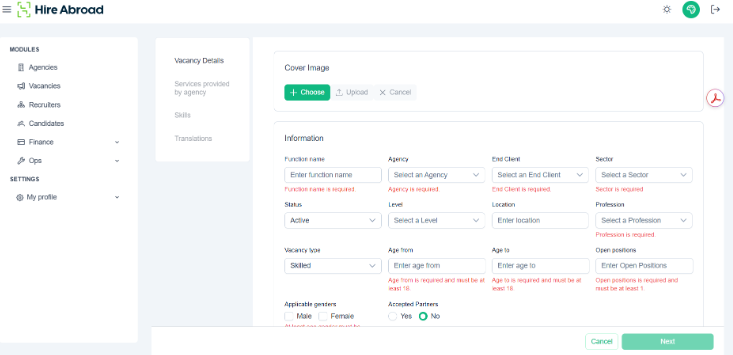
Perfecting The Vacancy
Most trades and blue-collar job postings look like they were written for HR professionals, not electricians or warehouse workers. That said, if you want to know how to recruit for hard-to-fill positions, you need to learn to write about the things that actually matter to a skilled expert.
Job ads full of vague buzzwords like “fast-paced” or “strong leadership” usually fail to attract good candidates. An experienced contractor reading such a post will be confused about the daily work, the team size, or the actual pay. Because they do not have enough information, they will likely just skip the ad and look for something else.
On the other hand, the company will get much better results if they use clear and direct language. By explaining the specific tasks, how many people the candidate will lead, the exact salary range, and the expected hours, they provide professionals with the details they need to make a decision. When a job description is clear and honest, the right person is much more likely to apply.
The Essentials of Blue-Collar Vacancy Posts
To attract better applicants, your job ads should focus on these five areas:
- List the pay clearly. Never use phrases like “competitive pay” or “pay based on experience.” Tradespeople want to see an actual salary or hourly rate. If you hide the numbers, it looks like you are trying to avoid being honest about what you offer.
- Mention the specific gear. Be clear about the exact tools and machines they will be using. For example, a welder needs to know if the job requires TIG or stick welding, and an HVAC tech needs to know if they will be working on homes or large commercial buildings.
- Explain the schedule and travel. Be direct about where they need to be. Tell them if they will work in one shop all week or if they need to travel between different sites. If travel is required, let them know how far they will be going.
- Highlight the real benefits. Skip the generic office perks. Instead, talk about what actually matters to tradespeople, such as health insurance, tool allowances, company vehicles, or help with training costs.
- Define success. Explain what the person should be able to do after 90 days and after one year. This shows skilled workers that you have a plan for them and helps them understand what kind of responsibility they will have.
Salary and Recruitment for Hard-To-Fill Positions
We’ve all seen it. Employers often avoid stating salaries for later negotiations. This may work for high-paying white-collar, executive roles, but in practice, it’s a surefire way to filter out the best candidates.
Tradespeople value transparency and they probably have a few offers already lined up. They will simply ignore your vacancy if there’s no transparency about pay.
Being open about pay does more than just show a number. It sends a message that you respect the candidate’s effort and their skills. When an electrician sees a clear breakdown of pay and benefits right away, they feel valued. If they have to wait until an interview to get those details, they might feel like you are hiding something. This negative impression can make them less likely to show up, more difficult to negotiate with, and more likely to quit sooner.
Remember that total pay involves more than just an hourly wage. Skilled workers want to know about steady overtime, reimbursements, allowances, and daily stipends for travel. They also want to see a clear path for moving into leadership or specialized roles. These details are often the difference between a worker who stays long-term and one who starts looking for a new job within a few months.
Finally, being transparent forces you to do your homework on what other companies are paying. If you just guess at a salary, you will either pay too much or attract applicants who are not qualified for the job. Taking the time to research current market rates helps you find the right people and keeps your business running smoothly.
Audit Your Posts
Next time you’re writing a vacancy for one of those hard-to-fill positions (or any role for that matter), take a few minutes to review your post. Do you have a salary range? Does it describe the actual work people will be performing in simple terms? What does the word “competitive” mean in the description? Do you clearly state the benefits?
You can also rewrite an older post and see what happens. If you get more applicants, chances are, the vacancies were the problem, not your approach. Treat your job description like a marketing piece for a high-value product rather than a generic form letter. You will quickly find that transparency is the best tool for filtering out noise and connecting with the talent you actually need. At the end of the day, skilled workers want to partner with employers who value their time enough to be honest about the details.

How to Recruit for Hard-to-fill Positions: The Hire Abroad Approach
The skilled labor market is shifting, and the traditional methods of hiring simply aren’t cutting it anymore. To succeed in today’s competitive environment, recruiters must move beyond generic job boards and rethink how they communicate with potential talent. This guide explores the strategies you need to fill your toughest roles, from mastering the art of the job posting to building genuine connections within trade communities.
Hire Abroad isn’t a magic pill. We can’t find and interview the workers for you, but we sure can help you take the pressure off by offering fully-optimized vacancies, a centralized platform where you can expand your clientele, and dedicated coaches from our success manager to better tackle the problems that may arise in recruiting for hard-to-fill positions.
Feel free to reach out to us if you want to know more about the partnership we offer.