The Skilled Talent Crunch: How Technical Recruiters Win in 2025

 8 min read


Introduction
The recruitment landscape is in constant motion. While the entire blue-collar sector is in huge demand for workers across the Netherlands, Germany and Belgium, the need for skilled and technically talented workers is even more pronounced.
Creating a candidate list for these vacancies can be a great idea, because skilled workers offer an added value for agencies, typically have a longer duration of stay, and enable your recruitment business to grow without the ongoing hassle of looking for new people.
However, for skilled roles, this is easier said than done. There are several significant challenges that slow down technical recruitment. In this article, we’ll be addressing these challenges and offer some insight into solving them and helping your recruitment business grow.
The Case for Skilled-Role Recruitment
Skilled technical roles, like those for certified welders, experienced CNC operators, and professional drivers can create sustainable, high-value growth. For example, our Q3 data shows a successful surge with 48 technical arrivals, heavily driven by placements for 20 different driver roles (CE, C, and Bus drivers).
What are we talking about? These roles offer crucial benefits: candidates stay much longer, dramatically increasing the long-term return on investment (ROI) for both the client and the recruiter. But the transition isn’t easy. To succeed in technical recruitment, recruiters must first understand (and actively dismantle) the three primary barriers holding back technical placements.
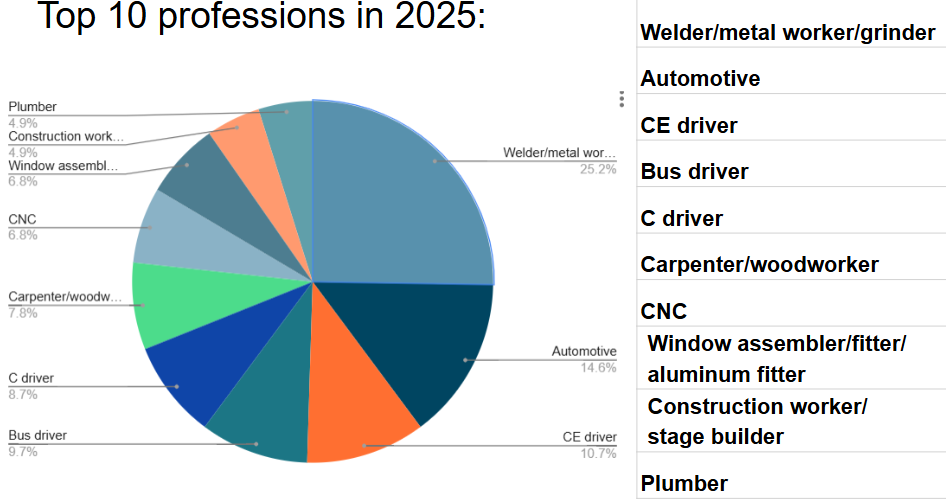
Even as you can see from our data, there’s much less of these highly skilled candidates when compared to other, low-skilled blue-collar roles. Below we’ll talk about the main barriers that stand between these vacancies and successful placements.
The Core Challenge: Misaligned Expectations and Speed
The current struggles in placing skilled talent are not just about scarcity; they are rooted in disconnects between the candidate, the market, and the client, often compounded by a lack of speed. Here’s what we’re Talking about:
The Salary Gap Problem
Skilled candidates, particularly those with in-demand certifications (welders, electricians, CNC specialists), know their value. The data confirms that many current offers are simply not competitive. These candidates expect higher pay, and when salary expectations are misaligned, strong profiles are quickly lost to competitors. Negotiating a superior offer is often the single most critical step in closing the deal. While this is most often out of the recruiter’s control, they can always actively voice these concerns and misalignments to staffing agencies and even companies directly, to find a resolution to these problems faster.
The Process and Logistics Barrier
A slow recruitment process is fatal in the blue-collar world, and it’s especially a huge problem in a skilled market. Long client feedback cycles are a leading reason candidates drop off. Just like in the case of unskilled roles, technical candidates are often fielding multiple offers simultaneously.
Furthermore, many high-quality candidates lack personal vehicles, making transport and logistics a significant barrier that must be proactively solved by the agency to eliminate reasons for candidates to look elsewhere.
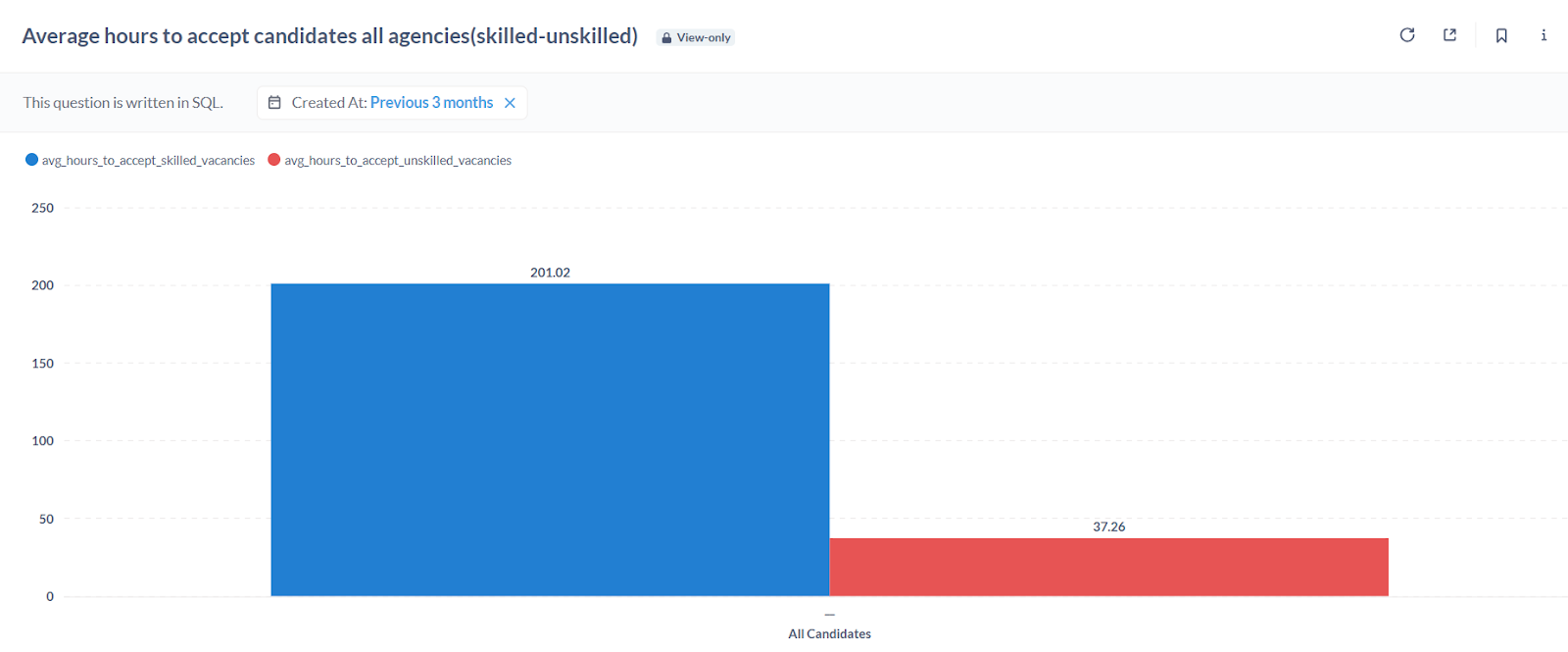
While it’s true that technical roles have a slower acceptance rate, recruiters should urge staffing agencies to speed up the feedback process altogether, and look more thoroughly into the questions pertaining to transport and overall working conditions. The point here is to cater to the needs of the candidates in a sensible way to make good placements as swiftly as possible, especially in the case of truly high-skill experts.
The Profile vs. Reality Mismatch
We often see two major issues here: low English levels and weak CVs from otherwise capable candidates. Simultaneously, clients sometimes hold unrealistic expectations and go on rejecting strong, motivated profiles over minor criteria.
Recruiters must become adept at screening for practical competence over perfect paperwork and educating clients on market realities. While we also think that the language barrier is a critical issue, organising up-to-speed language classes for new arrivals may be of help in the long-run. On the count of poor CVs, if the candidate shows exceptional knowledge and experience, they should be seriously considered despite the lack of paperwork.
The Vacancy Availability and Speed Trap
Even when the candidate is perfect, securing the job can fail due to client-side issues. Recruiters must push clients for faster decisions and ensure a consistent flow of viable technical vacancies. Candidates won’t wait for approvals that drag on for weeks; they will accept the first reasonable offer they receive.
The Agency’s and Recruiter’s New Added Value: Deep Specialization
For agencies currently focused on unskilled roles, the shift to technical recruitment is not just an option. It’s a necessary strategic move to add significant value and profitability. On the same note, freelance recruiters and small recruitment businesses can also offer added value if they opt to specialise in technical roles.
However, technical recruiting requires specialisation. A general recruiter who handles only unskilled vacancies will likely struggle with a CNC or welding role because they simply don’t understand the processes, the technology, or the required safety standards. This is where your added value lies:
- Expertise Drives Quality: Recruiters who understand the technical domain can accurately qualify candidates and speak the client’s language, fostering trust. This specialized knowledge acts as a critical filter, allowing the recruiter to confidently distinguish a qualified TIG welder from a general metalworker, thereby reducing screening errors and increasing client satisfaction.
- Longevity: Technical roles boast significantly higher employee retention rates. This stability translates directly into higher financial value and fewer expensive replacements for the agency, providing a better long-term ROI.
- Elevated Service: Moving into this sector elevates your agency’s brand, allowing you to provide a more comprehensive, expert-driven service offering that commands higher fees and attracts better clients.
- Diversifying Your Sources: Smaller recruitment agencies can expand their profitability by having specialised recruiters for high-skilled roles while others can handle the rest of the vacancies in bulk.
Three Strategic Ways to Win the Technical Market
So how can recruiters make the best out of technical vacancies? The solution is to leverage specialized knowledge and aggressively negotiate better terms for your talent.
Strategy 1: Focus on Technical DNA
The most successful recruiters in this domain are those who have a technical background themselves. Whether they previously worked in automotive, construction, or metalworking, their core understanding of processes and technologies makes them better equipped to qualify candidates, assess motivation, and manage client expectations accurately. This insider knowledge is irreplaceable.
On the other hand, we know that for most freelancers and small recruitment agencies, this is almost impossible. As such, you can also take the initiative to learn more about these technical and skilled roles, from technologies, processes, and machines, to working conditions, salaries, and safety standards. It might sound like a long stretch, but start with the basics and get involved more and more as you understand technical roles better.
Strategy 2: Negotiate for Competitive Conditions
This is where you can really make a difference. Recruiters must become advocates for better working conditions. Focus your negotiations with clients on three key areas:
- Salary & Hours: Push for higher salaries, guaranteed minimum hours, and clearer overtime options.
- Process Speed: Demand faster client feedback cycles to prevent losing strong profiles who may have multiple offers.
- Incentives: Negotiate improved fees and bonuses for placing in-demand roles (like bus drivers or CE drivers) to make sourcing these positions a top priority for your team.
While you might not always succeed, being more vocal about how agencies and companies meet the needs of technical candidates can go a long way in creating more inviting work environments, especially if you are working with clients for the long haul.

Strategy 3: Target the ‘Room for Growth’ Profile
While hiring senior experts sounds tempting both for recruiters and clients, experienced professionals are hard to come by, and would probably have very high expectations.
Having that in mind, don’t only pursue senior experts. Look for clients willing to take on more junior (production+) profiles with excellent motivation and the right aptitude. Focus on securing clients with flexible requirements for profiles like truck drivers, electricians, and carpenters. This opens up new sourcing pools and allows you to build a long-term talent pipeline that is less sensitive to market fluctuations.
Making a Case for Skilled and Technical Roles
The transition to high-value technical recruitment is a strategic investment, not a quick fix. The success of placing several dozens of technical arrivals in Q3 proves that the demand and the talent are available, but sustained growth requires unwavering commitment to specialization.
By prioritizing candidate value, streamlining logistics, and empowering recruiters with deep domain expertise, you stop competing on diminishing returns in the unskilled market and start building durable, profitable partnerships with clients seeking true skill.
If you are looking for more information about technical recruitment or interested in learning more about our platform, don’t hesitate to reach out to us today.