After the launch of ChatGPT in late 2022, nothing was the same. Not that there weren’t already existing tools and platforms using some form of AI technology, but the launch of the virtual assistant started a literal landslide in most industries and recruitment was no exception.
Artificial intelligence is often praised for being a gift from the heavens. But is that true? Is losing human correspondence and intervention always better? The following article seeks to answer this philosophical question.
What is AI in Recruitment?
Artificial intelligence in recruitment simply means using AI technology in the hiring process to automate various processes and to make the hiring process faster and easier both for candidates and recruiters.
AI can assist in various processes, from sourcing and screening candidates to comparing resumes and job applications, completing assessments, sending out automated messages, and even predicting whether a candidate would be a good cultural fit for a specific organisation.

Source: SkyTech Daily
The technology may take various forms to fulfill a specific role in recruitment. Here are only a few examples of tool types professionals can use to make their work more efficient and productive:
- Chatbots to optimise top-funnel recruitment activities
- AI-assisted candidate screening to analyse unstructured data like phone calls, emails, and even social media profiles
- Alli-in-one AI ATS systems that rank resumes, automate communication and even offer predictive analytics.
AI has the potential to change the landscape of recruitment. It helps save time, and resources, reduce bias, improve candidate match quality, and help experts make data-driven decisions.
The Blessings of AI in Recruitment
Experts predict that artificial intelligence has the potential to contribute to the global economy with $15.7 trillion by 2030, with hundreds of different use cases. But as technology’s “Swiss Army Knife,” let’s see how recruiters can benefit from it.
Efficiency and Time-Saving
Older data suggested that AI can boost the efficiency of highly skilled workers by 40%. In addition to boosting productivity, it can also take the burden of several tasks off of the recruiter’s shoulders. Automation features and the speed at which AI is capable of operating (like when organising and comparing larger data chunks) can save up literal hours of the recruiter’s time, enabling them to prioritise their tasks with more freedom.
90% of knowledge workers say that automation has greatly improved employees’ lives in the workplace, and 65% of them experience less stress as a result of automating tasks. On a similar note, 57% of HR tasks can be automated and recruiters estimate that AI tools can reduce time-to-hire by an astonishing 70% in some cases.
As the examples and figures suggest, AI does take efficiency to a new level.
Better Candidate Matching
Artificial intelligence can read every resume you can acquire, but a lot faster. AI is also more accurate, making fewer (or even zero) errors while going over resumes and categorising them simultaneously.
The job-candidate matching process is also more precise, and AI can shortlist the best-fitting candidates for specific roles based on factors such as experience level, location, availability, and even soft skills, career trajectory, and cultural fit. Lastly, advanced, and properly trained systems may even be able to predict how likely a candidate is to accept an offer or succeed in a role.
Reduction of Bias
By automating resume reviews, AI removes human subjectivity, and can significantly reduce bias. The algorithms are trained to evaluate candidates based on objective factors, such as qualifications, relevant experience, and skills.
In this sense, AI gives a fair chance for everyone, as applicants are assessed based on their true merits instead of other characteristics. However, this highly depends on the datasets used to train the algorithm. According to a study, 67% of recruitment tools that were trained on biased data replicated the same discriminatory patterns as human experts. To avoid this, the historical data used to “teach” the AI tool should be free of bias to begin with.
Cost-Effectiveness
Candidate matching, automating administrative tasks, automated communication, and increased productivity means that recruitment companies can reduce their costs and don’t necessarily have to create bigger teams to handle increased workloads.
To be more precise, some estimates suggest that AI can help reduce hiring costs by 30% per hire. On another note, the technology may help reduce infrastructure costs (hardware, software, updates, etc) by 74%.
The Curse of AI in Recruitment
While the technology has brought significant positive changes in every industry it was utilized, AI isn’t without its risks and dangers. From data privacy concerts through potential job loss to uncontrollable self-awareness, technology still needs to figure out how to use artificial intelligence ethically and safely. In the realm of recruitment, AI also has its potential drawbacks.
Over-Reliance on Algorithms
AI has become a mainstay in recruitment. It can generate interview questions, screen resumes and manage applications. These things alone can lead to them missing promising candidates just because no manual work (screening, interviewing) is involved.
On the other hand, when candidates use AI to optimise their applications, which is often viewed negatively, despite the complexity and repetitiveness of hiring systems. Many job seekers turn to AI not out of laziness, but to navigate opaque, AI-driven processes and improve their chances. Ironically, both employers and candidates are using AI to “beat the system,” resulting in a hiring process that lacks human connection. As a matter of fact, in 21% of cases, AI-driven hiring may make recruiters overlook atypical, but useful qualities and experiences.
Bias in AI Models
Poorly designed algorithms, biased data, and poorly trained models can easily replicate the same hiring biases humans do. Why should this raise concerns? According to a 2023 survey, only 17% of data sets used for training in recruitment were demographically diverse.
What makes things even more complicated is the lack of transparency and explainability. More specifically, AI algorithms often function as “black boxes” meaning that the users (and often even the developers) can’t fully understand the inner workings of how AI makes some decisions.
According to a scientific article on the subject by Zhisheng Chen, algorithmic bias often stems from partial historical data and the personal preferences of algorithm engineers. The expert argues that the construction of unbiased datasets, improved algorithm transparency, external engineering oversight, and improved corporate ethics may solve the issue of AI bias.
Impersonal Experiences
Automated interviews, a series of tedious assessment processes, and no human interaction can potentially alienate the candidate from the hiring process, leading to negative experiences. Also, when we take into account that 82% of candidates say that their experiences can impact their decision to accept a job offer, the potentially hazardous effects of minimising human interaction can be even more alarming.

Source: Tech Funnel
According to a survey, 49.2% of respondents had “mixed experiences” with AI in the recruitment process. While this doesn’t mean that candidates won’t get used to virtual assistants and more automation during the hiring process, it makes recruitment (which is heavily built in trust), more robotic and less human.
Job Displacement
Integrating artificial intelligence into recruitment is also transforming staffing in, you’ve guessed it, recruitment. More specifically, AI tools handle job matching, screening, interviews, and communication. Even recruiters are aware of this, with 63% of them saying that AI integration can lead to job responsibility shifts.
Furthermore, even now. 77% of HR experts say that people won’t have to be involved in the hiring process whatsoever, thanks to AI advancements. Some experts say that this may lead to potential job losses if recruiters fail to evolve and master these technologies.
The Balance: Striking the Right Blend of AI and Human Touch
While it’s inarguable that integrating AI into the recruitment process brings significant advantages. Automated communication, administrative processes, and scheduling alone can greatly improve overall productivity and efficiency. However, job seekers can also have unpleasant experiences, especially if recruiters don’t understand the technology they’re using.
So, how can you eliminate the problem of impersonal experiences and AI bias? Some experts recommend utilising a hybrid approach, like in the case of Unilever. In their system, AI takes care of the initial screening and assessment interviews, and only shortlisted candidates get to talk to actual recruiters and leaders. Thanks to the proprietary technology they’ve built in partnership with Pymetrics, Unilever managed to cut 70,000 person-hours of interviewing and assessing candidates.
Lastly, there are also useful recruitment tools that assist recruiters and candidates alike, without replacing essential human judgment.
Eightfold AI
Eightfold AI enables a “holistic” approach to talent acquisition, using a proprietary global data set, generating recommendations to help employers decide how the hiring process goes or where to acquire talent. The system uses data to understand availability, relevance, maturity, and skill learnability on the global market, and instead of making decisions, it only recommends the right fit for specific roles.
Fuel50
Fuel50 helps talent mobilisation within an organisation by focusing more on skills than job titles. It analyses talent within an organisation and automates the process of understanding and managing organisational skills. This gives valuable insights into the hands of HR explorers and decision-makers to retain and promote the most-deserving employees within the company.
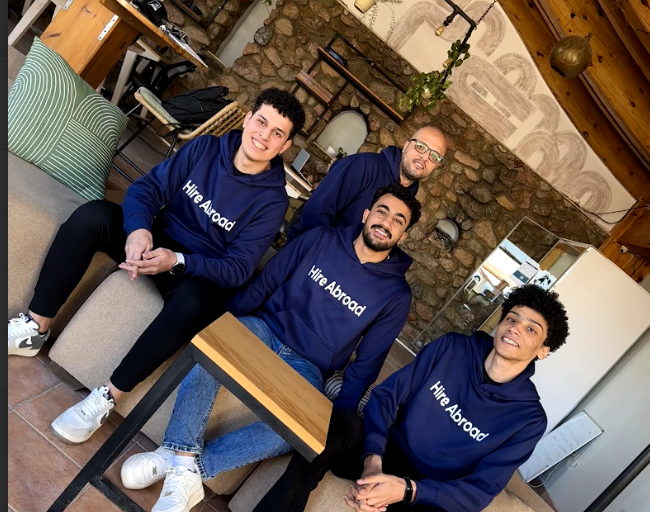
Hire Abroad
Geared specifically toward recruiters specializing in blue-collar industries, this marketplace that connects employers with recruiters automates the matching process based on 40,000+ successful matches. The platform offers access to hundreds of job offers and a comprehensive dashboard which makes optimising client-side recruitment processes a breeze. While Hire Abroad doesn’t take care of candidate management instead of you, it enables you to find the best fit while not having to worry about employers and vacancies.
AI in Recruitment: Innovation Rather Than Replacement

Artificial intelligence isn’t a be-all and end-all solution that takes care of everything and yields the best results while keeping costs as low as possible. It’s a tool that’s meant to enhance the workflow rather than replace human expertise. Having a hybrid. A more holistic approach to recruitment that combines human know-how with lightning-fast algorithms can eliminate both human error and missed opportunities thanks to faulty or incomplete data sets.
On that note, if you are already familiar with this holistic strategy, and want to leverage a platform that was built around this philosophy, don’t hesitate to learn more about Hire Abroad by scheduling a call with our experts.