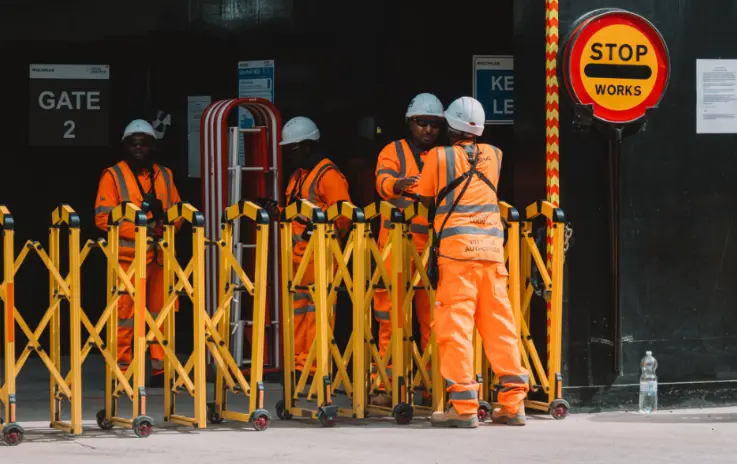
The European job market is always looking for new candidates, and this is especially true for the blue-collar sectors in countries such as the Netherlands, Belgium, or Germany. From skilled trades to logistics and manufacturing, demand for reliable talent often outstrips supply.
This high-deman presents a golden opportunity for freelance recruiters and independent hiring agents to carve out a lucrative career, with more freedom and a higher earning potential than in traditional agency settings or even in white-collar recruitment.
Still, the financial side is probably the most important question most freelancers want to know about. What does a freelance recruiter salary or an independent recruiter salary truly look like in this specialized European landscape? Let’s dive in.
Freelance Recruiter Salary: Understand Your Earning Potential
When considering your earning potential as a freelance recruiter in this space, think beyond a simple hourly rate. While some projects might start with a project-based fee, the real income comes from successful placements.
Here’s how blue-collar recruitment in Europe often works:
- Commission Structure: The most common model. This means that you will get a placement percentage (usually ranging from 15% to 25% of the candidate’s first-year salary. This means that if the role pays €30,000-€45,000 a year, even a simple placement can bring considerable money.
- Retainers for Scarcity: For highly specific roles like welders, industrial electricians, and more, clients may offer monthly retainers with the success fee, if you manage to find the right people in these technical trades.
- Volume and Fast-Paced Recruitment: High-volume roles like warehouse staff or production line professionals can help you create consistent income. Building strong relationships with key clients in these areas often means a steady stream of openings.

Setting Up Your Business
If you are a solo recruiter or a contract recruiter, starting out is actually quite affordable. You don’t need a big office, but you definitely need the right tools.
Sourcing Tools
Most people use a LinkedIn Recruiter seat, but the best recruiters also use local job sites and CRM software. These tools help you keep track of many candidates at once, much like IT staffing experts do.
Business Structure
To stay professional, most freelancers set up a Sole Proprietorship or an LLC (called a GmbH in Germany or a BV in the Netherlands). This helps you handle your self-employment tax and get professional liability insurance to protect your work.
Remote Recruiting
Even though the workers have to be physically at the factory or site, the recruitment niche is mostly done from home. This is a huge win: you can live in a cheaper area and find workers for high-paying metropolitan areas like Munich or Amsterdam. This is the best way to increase your net profit.
The Freelance Recruiter Salary: Breaking Down The Numbers
Your income will depend on your experience and your track record, but the blue-collar market in Europe offers great earning potential. Here is a realistic look at what you can expect:
- Entry-Level (New Freelancers): When you are first starting and building your portfolio, you can expect to earn between €30,000 and €50,000 in your first year. Your main goal here is making consistent placements to find your rhythm.
- Mid-Career (Established): Once you have a few years of proven placements and a good network, earning €60,000 to €100,000 is a very achievable goal. At this stage, you know the market well and work much faster.
- Senior/Expert Level: If you become a specialist in a difficult niche (like high-tech welding or industrial robotics), your income can reach €120,000 to €180,000+. Top-tier recruiters often use a tiered commission structure, meaning they earn a higher percentage for filling the hardest roles.
| Career Stage | Annual Earning Potential | Commission Rate (Typical) | Key Focus & Placements |
| Entry-Level | €30,000 – €50,000 | 15% – 20% | High-volume general labor (e.g., warehouse, logistics). Goal: 2–3 placements/month. |
| Mid-Career | €60,000 – €100,000 | 20% – 25% | Skilled trades (Electricians, CNC Operators). Focus on building a repeat client base. |
| Senior / Expert | €120,000 – €180,000+ | 25% – 30%+ | High-tech niches (Industrial Robotics, STEM trades). Tiered structures for “hard-to-fill” roles. |
Understanding the Blue-Collar Opportunity in the Benelux & Germany
The blue-collar sector in 2026 is no longer a secondary market; it is the driving force of the European economy. In the Benelux (Belgium, Netherlands, Luxembourg) and Germany, the “skilled trades” have transitioned into high-tech, high-stakes professions. For a technical recruiter or talent acquisition specialist, this region represents a goldmine of earning potential driven by a critical labor shortage.
Germany alone currently faces over thousands of open vacancies, ranging from construction to green energy maintenance. This big demand has transformed recruitment into a high-profit business, in which solo recruiters can build massive pipelines and work with multiple agencies across Europe.
High-Demand Roles & Market Dynamics
The “modern blue-collar” worker is often a specialised technician. The demand is particularly fierce in these sub-sectors:
- Logistics & Supply Chain: Beyond simple warehouse labor, there is a massive need for HGV (Truck) Drivers and supply chain specialists who can manage automated inventory systems.
- Green Energy & Trades: The Energiewende (energy transition) in Germany and similar initiatives in the Benelux have made electricians, heat pump installers, and wind turbine technicians the most sought-after profiles in the EU.
- Manufacturing & Industrial Tech: Roles like CNC machine operators, welders, and industrial technicians are vital for the German automotive and Dutch semiconductor industries.
- Non-skilled Roles: In addition to these specialised roles, seasonal roles in agriculture, logistics roles and manufacturing job openings are still relevant and abundant.
Winning in the European Blue-Collar Market
To grow your independent recruiter salary, you should focus on these four areas:
Recruitment Niche
Don’t try to hire for everything. Become an expert in one area, like car manufacturing in Germany or construction in Belgium. When you understand the specific needs of a technical production line or how to be a talent acquisition specialist for a factory, you become much more valuable. As a matter of fact, if you already have some experience (or knowledge) with technical roles, this is the way to go.
Business Operations
Whether you are a solo recruiter or running a small boutique search firm, you need to stay organized. Use an ATS (Applicant Tracking System) or CRM software to keep track of your candidates. Remember that tools like your LinkedIn Recruiter seat are overhead costs—investing in them helps you work faster.
Business Structure & Tax
As a self-employed professional (often called a ZZP in the Netherlands or Selbstständiger in Germany), you are your own boss. Setting up an LLC or sole proprietorship lets you claim tax deductions for your business expenses, which keeps more money in your pocket as net profit.

Market Location & Regional Nuances
You can work from anywhere, but you must understand local rules. For example, in Germany and the Netherlands, collective bargaining agreements (industry-wide rules on pay and hours) are very common. Knowing these “hidden rules” helps you give better advice to your candidates and clients.
The Hire Abroad Advantage: Your Shortcut to Success
For many solo recruiters, the hardest part isn’t finding people—it’s the “business” side of things. Spending your week cold-calling companies in Germany or the Netherlands to get contracts can take up 25% of your workweek.
Hire Abroad acts as your personal business partner. When you join, you get:
- Instant Access: Forget the sales calls. You get 200+ verified job offers from big names like Philips, Zalando, and DAF Trucks right away.
- Less Paperwork: The platform handles the boring stuff like CV translations and sending invoices automatically.
- Dedicated Success Manager: To help you get off on the right track, you can schedule meetings with our success manager and come up with a strategy that will help you grow.
- Single Point of Contact: Instead of getting buried in countless email threads with multiple employers, talk with our planners who serve as mediators between employers and recruiters.
- Recruit With Your Own Website: In addition to using Hire Abroad’s platform for paperwork, communication, matching, screening, and offerings, you also get your own WordPress website where you can share all relevant vacancies and build your brand from the ground up.
- Reliable Payouts: You don’t have to wait months for a contingency fee. You get steady, reliable monthly payments once your candidates start their new jobs.
Predict Your Success: The Income Calculator
We created an Income Calculator to show you how your revenue grows as you stay consistent. Here is what your independent recruiter salary can look like:
| Milestone | People Working | Hours They Worked | Total Revenue (Your Pay) |
| First Month | 27 | 3699 | €1,849.50 |
| First Quarter | 117 | 16 029 | €8,014.50 |
| First Year | 684 | 88 776 | €44,388.00 |
How are these earnings calculated?
Unlike a one-time “headhunter” fee, Hire Abroad often uses a model based on the total hours worked by the candidates you place.
- Placement Growth: As you place more people each month, your “active” pool grows.
- Hourly Margin: For every hour your candidate works at the factory or warehouse, you earn a small placement fee (margin).
- Compound Income: In the “First Year” example, your revenue reaches €44,388 because you have 48 people all working at the same time, each adding to your monthly check.
Essentially, the more people you have working, the higher your net profit becomes, even if you stop sourcing for a few days!

Your Path to Success And a Great Freelance Recruiter Salary
Becoming a successful independent recruiter in the European blue-collar sector is about more than just finding candidates. It’s about understanding the unique market dynamics, building strong client relationships, and having a solid business structure.
By focusing on the high demand for skilled trades and high-volume placements (logistics professionals, manufacturing, seasonal work) and effectively managing your business expenses, you can unlock an impressive total compensation and build a thriving, independent career.
And one way to make all that a lot simpler is by joining Hire Abroad. If you’d like to learn more about the platform, feel free to reach out to us today.