

When recruiters search for blue-collar talent across the EU, a common question often arises: Where are the best workers from? At first glance, this question seems straightforward. Agencies want reliability, employers want performance, and candidates want fair work and good conditions.
It’s tempting to reduce recruitment to numbers, like retention rates, punctuality, dropout statistics, and draw conclusions about which country delivers the “best” candidates. However, once you speak with the people behind the placements, a more complex truth emerges: there are no universally best or worst sourcing countries but only better fits.
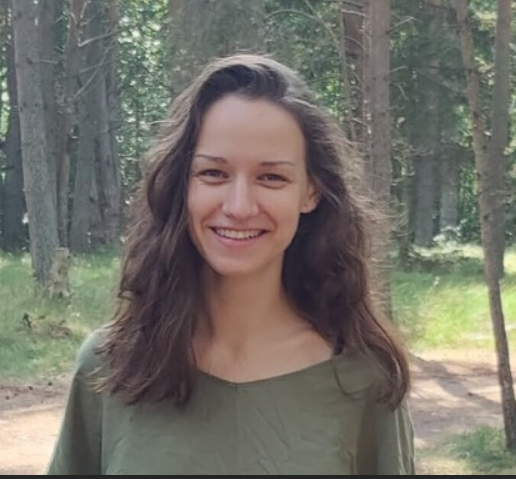

Kristine Valtere and Gundega Petrovska
Drawing from Data and Personal Experiences
At Hire Abroad, we’ve learned that recruitment success starts with a human connection. After extensive conversations with Kristine Valtere, our client experience team lead, and our planner, Gundega Petrovska D’Almeida, we came to the conclusion that recruitment isn’t just a number’s game where statistics help us determine what’s “best.” As they both have experience in recruiting, they know that data can help us make smarter hiring decisions, but in the end, this is a human business, in which candidates are making life-altering decisions.
The Previous Reign of Poland
Poland has long been among the go-to sources of blue-collar talent in the EU. The country has a long-standing tradition of good vocational education and facilities where thousands of trained experts graduate with valuable skills in logistics, constructions, and automotive production. As a matter of fact, Eurostat states that Poland has one of the EU’s highest shares of VET (Vocational Education and Training) students, contributing to a steady stream of job-ready candidates.
While all this sounds great, there’s only one problem. The rising salaries in these counties means that blue-collar Polish workers are becoming less interested in foreign job opportunities. Additionally, the Polish labour market itself is shifting, offering better tax advantages and competitive local opportunities, tempting workers to stay home. While this makes things a bit more difficult, it’s not a lost cause. With the right offer (i.e., good wages, a comprehensive list of benefits, well-organized relocation package, and accommodation with transportation), can often tip the scale toward international recruitment.
Gundega and Kristine also talked about these shifts, stating that these changes filled both agencies and their clients in uncertainty, and companies like Hire Abroad played a crucial role in this paradigm shift by actively recommending hard-working and motivated candidates from countries such as Spain, Portugal, Greece, Italy, or even Croatia.
Southern Europe: A Case for Connection
We’ve already mentioned that moving forward, Dutch employers will have to adjust to the changing labour market, and need to shift their focus on Southern Europe when looking for talent. According to our colleagues, this doesn’t only mean sourcing from a different region. It also means a new way to build relationships.
Kristine observes a distinct difference in how candidate-recruiter relationships unfold depending on the country. In Spain and Portugal, recruitment feels more personal. Candidates are generally more open to conversation, trust-building, and long-term collaboration. “You can really talk to them,” she explains, “and that makes a big difference when they arrive abroad.”

This human-centered approach pays off. Spanish and Portuguese workers are more likely to stay longer in their placements, engage with their housemates, and reach out to recruiters when something goes wrong, rather than disappearing or quitting overnight. These relationships are built on clear communication, starting with setting realistic expectations.
But that doesn’t mean candidates from other regions are less valuable, just that different sourcing strategies are needed for different markets.
The Baltics and Eastern Europe: Strong Skills, Different Expectations
Recruiters working with Baltic candidates (from Latvia, Lithuania, and Estonia) or countries like Poland often describe these relationships as more “transactional.” Candidates may change jobs quickly, shop around for offers, or have different communication habits. “Sometimes they treat recruiters more like service providers,” says Kristine, “not partners in their journey, which isn’t a problem, it’s just a different approach.”
Also, that doesn’t make them bad workers—far from it. Gundega, highlights that Eastern European candidates are often more willing to work physically demanding roles, especially in colder environments like warehouses. Their work ethic is well known across the Netherlands, and agencies value their technical skills and adaptability.
What’s key is to tailor communication styles to fit the candidate’s background. Recruiters working with more skeptical or pragmatic candidates need to be especially clear and direct. Honesty, clarity, and professionalism are essential to earning trust in these relationships.
The Power of Expectation Management
If there’s one message that keeps repeating across all recruitment conversations and in our interviews, it’s this: never oversell the job.
Both Kristine and Gundega emphasise that disappointment on arrival is the number one reason for early dropouts. Whether it’s a couple from Valencia arriving at a cold warehouse in Brabant, or a forklift driver promised single-room accommodation who ends up sharing with three others, in the end, misalignment kills motivation.
“We encourage recruiters to talk to candidates who’ve already arrived,” says Kristine. “Their stories and first-hand experiences carry more weight” She also adds that keeping in touch with candidates post-arrival can help not just in helping recruiters give more realistic expectations to future candidates, it also helps with relaying information to agencies who can improve different aspects of the job, such as accommodation.
Both of our colleagues agree that candidates who have worked abroad before, or who are older and more experienced, are often better prepared emotionally. But for first-timers, recruiters play a crucial role in bridging the expectation gap. A five-minute call can mean the difference between a placement that fails in a week, and one that lasts for years.
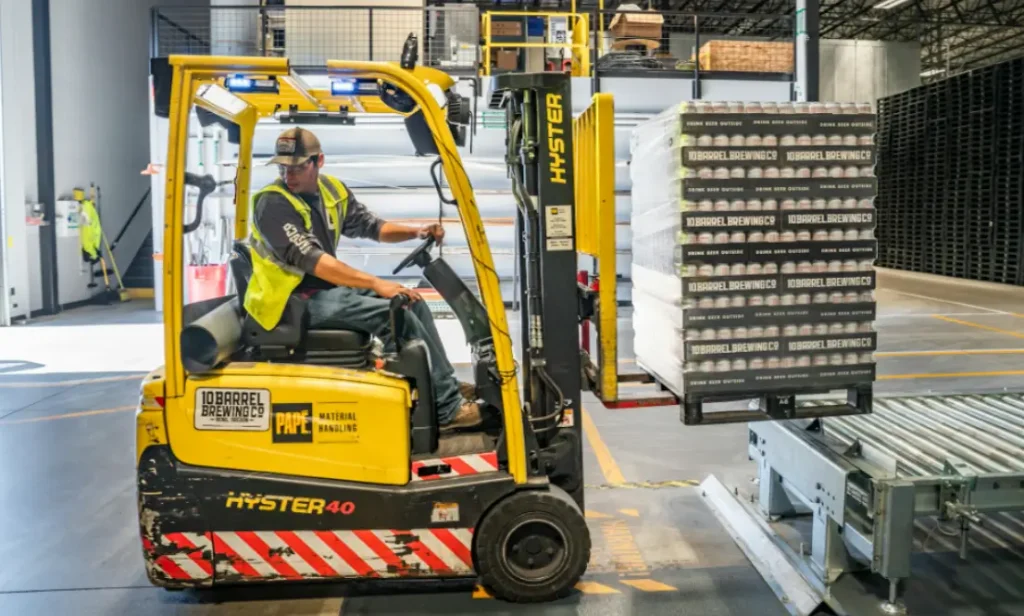
Accommodation and work conditions aren’t the only things that can break a candidate’s spirit. Gundega mentions that often, getting used to the Dutch way of life can also be a bit troublesome. The challenges candidates face when adjusting to the Netherlands’ work culture, including understanding local customs, such as cycling to work, or more direct, straightforward communication.
Agencies Are Adapting And It’s Paying Off
It’s not just recruiters who are evolving. Agencies across the Netherlands are starting to move away from long-held preferences for Polish and Baltic workers. This change isn’t about stereotypes, but about broadening the talent pool to meet growing demand.
And while some agencies were hesitant at first, particularly when integrating Spanish or Portuguese workers into teams where English wasn’t spoken (because the workers were mostly Polish), the transition has been smoother than expected. Many agencies are now standardizing English as the shared language, encouraging mixed-nationality housing, and investing in better onboarding processes. These changes are improving retention rates and candidate happiness.
Even the once-common complaint about housing is becoming less frequent. “We see a real shift,” says Gundega. “Agencies are offering more single rooms, better conditions. It’s a win-win.” She also asserts that Hire Abroad has played a crucial role in expanding and improving communication with agencies, leading to better accommodation and job conditions for candidates.
Finding the Right Fit: More Art Than Science
So how do recruiters know which country to source from?
“There’s no universal formula,” Kristine admits. “It depends on the job, the location, the weather, the language spoken on-site, even the accommodation type.” Some roles are better suited for candidates used to colder climates. Others require teamwork and communication. These are traits that shine in cultures with strong social bonds.
In recent years, countries like Italy, Greece, and Croatia have also emerged as promising sources of talent. Although fewer dedicated recruiters focus on these markets today, their potential is strong. As the EU labor landscape changes, recruiters need to remain agile and open-minded.
Recruitment Is a Human Business
In the end, the most successful placements aren’t about algorithms or stereotypes. They’re about people.
At Hire Abroad, we believe recruitment should be a human-centered process. Candidates aren’t just filling vacancies, but making life-changing decisions. And recruiters aren’t just middlemen. They’re guides, often translators, and sometimes even an active part of the candidate’s support system.
When communication is honest, expectations are clear, and trust is mutual, great things happen. Candidates can thrive, employers get the people they need, and recruiters build something more than just a database: they build communities.
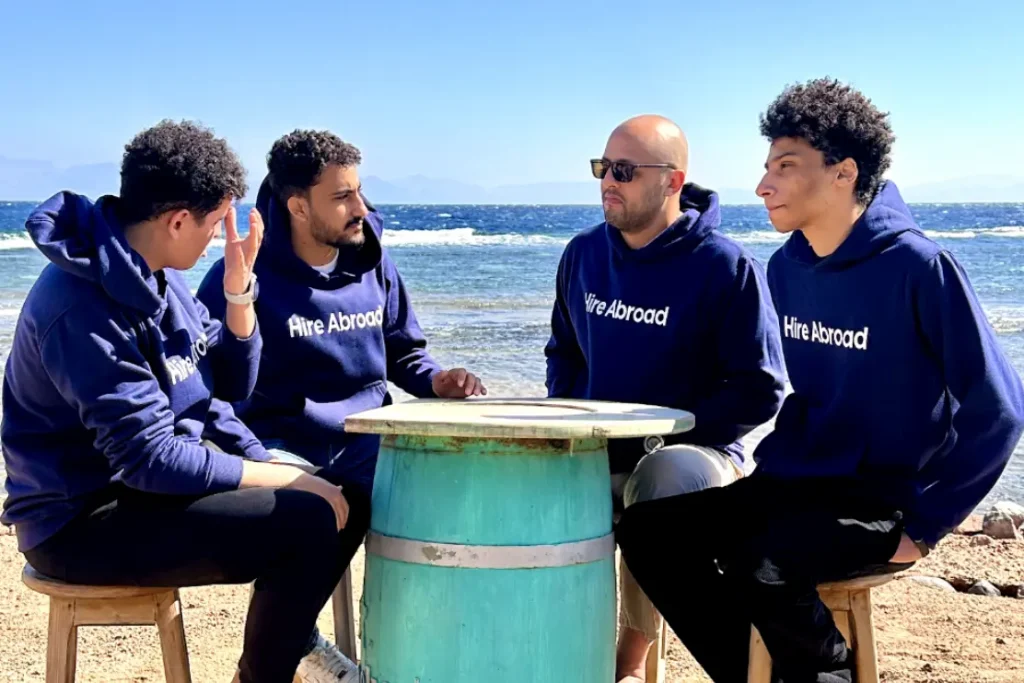
Forget “Best Country.” Think “Best Match.”
If we’ve learned one thing from recruiting across Europe, it’s this: no country has a monopoly on good workers. Instead of chasing mythical “top performers” from one region, the future of recruitment lies in matching the right person to the right job, with the right support in place.
And that means always putting people first.